Clear Guidance for Restoring Wood Surfaces With Lasting Results
Wood floors take daily wear from shoes, pets, and furniture. Over time, the surface loses shine and shows marks. Refinishing restores the look and protects the wood. This process removes damage and adds a fresh finish. Knowing each step helps you plan the project with less stress. You can set the right budget and timeline. You also avoid common mistakes that hurt results. The steps below explain how professionals approach this work and why each stage matters.
Understanding the Purpose and Value of the Process
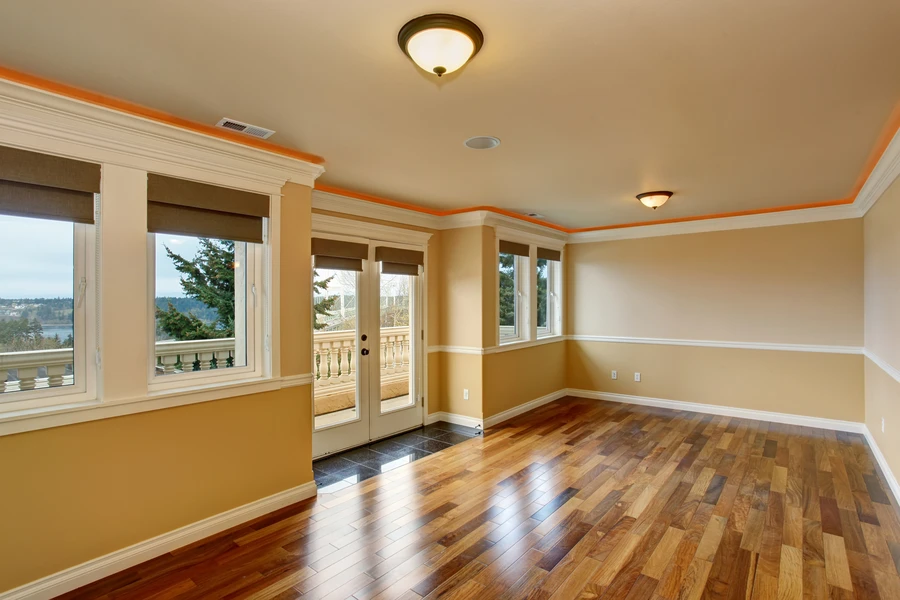
The goal of hardwood floor refinishing is to restore function and appearance. It removes scratches, dull spots, and stains caused by moisture or sunlight. This process also seals the wood to slow future damage. Many homeowners choose hardwood floor refinishing instead of replacement to save money. According to industry groups, refinishing costs about half of new installation. It also keeps original materials in place. That helps maintain home value and reduces waste.
Key Benefits That Matter to Homeowners
This work improves air quality by removing trapped dust and allergens. It also creates a smooth surface that is easy to clean. Hardwood floor refinishing helps floors last several decades with proper care. Real estate studies show refinished wood floors boost buyer interest. You gain visual appeal without changing layout. Most projects finish in a few days. You can stay on schedule with clear planning.
Common Problems Seen Before Work Begins
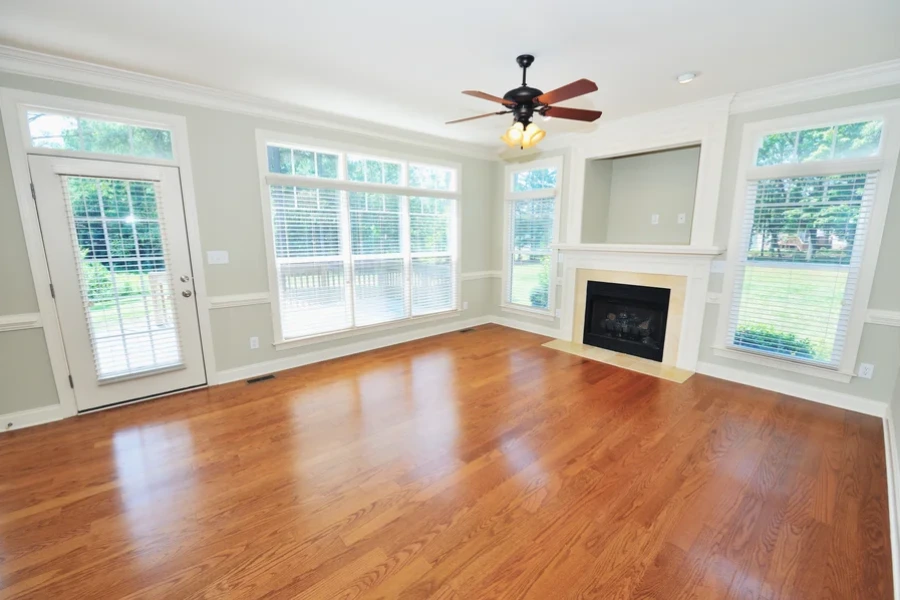
Many floors show deep gouges from heavy furniture. Others have dark water spots near sinks or doors. Some boards squeak due to loose fasteners. Old coatings may peel or turn yellow. These problems affect both appearance and safety. Slippery or uneven areas raise fall risk. Identifying these issues early guides the right repair approach.
Step by Step Actions Used by Professionals
- Inspect the floor to find damage and loose boards.
- Repair gaps, nails, and minor cracks.
- Sand the surface to remove old finish and level the wood.
- Clean dust using vacuums and tack cloths.
- Apply stain if color change is desired.
- Seal the wood with protective finish coats.
Pros and Cons Compared Before Starting
- Pros: Lower cost than replacement, keeps original materials, boosts home value.
- Cons: Temporary room closure, dust during sanding, curing time needed.
Best Practices That Improve Results
- Use professional sanding equipment for even surfaces.
- Allow proper drying time between finish coats.
- Control humidity during and after work.
- Choose low VOC finishes to reduce indoor fumes.
Standards and Rules That Affect Quality
Most contractors follow guidelines from the National Wood Flooring Association. These standards cover sanding depth and finish thickness. Local building rules may address dust control and waste disposal. Some states require low emission products for indoor use. Following these rules protects health and ensures long term durability. Ask for written proof of compliance before work starts.
Cost Factors and Budget Planning
Pricing depends on room size, wood type, and damage severity. Simple sanding and sealing costs less than stain changes. Repairs increase labor time. On average, costs range from three to eight dollars per square foot. Investing in durable finishes lowers future maintenance costs. Quality work reduces the need for frequent recoating.
Next Steps for Professional Floor Renewal Decisions
Located in Alexandria, VA, we help property owners plan each stage with care. Izquierdos Hardwood Floors focuses on proven methods that protect wood and schedules. Call (703) 309-1377 to discuss timing, costs, and finish options. We review needs together and guide each project toward durable results.