Key Errors That Cause Early Damage, Uneven Surfaces, and Costly Repairs
Installing wood surfaces looks simple at first. Many people underestimate the details that matter most. Small errors often lead to gaps, noise, and early wear. Moisture, layout, and prep work all play a role. When mistakes happen, repairs cost more than careful planning. Knowing the most common problems helps you protect your space. This guide explains the errors that cause trouble and how you can avoid them from day one.
Why Proper Planning Matters With Wood Installations
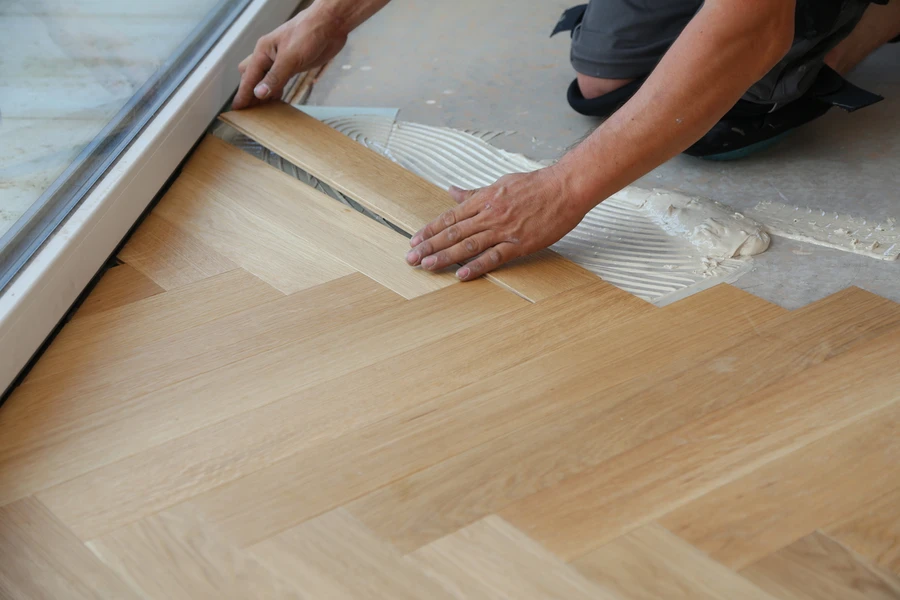
Poor planning leads to wasted materials and uneven results. Many installers rush decisions about layout and room flow. Others ignore how light hits the surface. When hardwood flooring gets installed without a clear plan, boards can look short or misaligned. A correct plan maps board direction, seam placement, and trim needs. It also considers doorways and fixed objects. Planning saves time and avoids visible flaws.
Surface Preparation Errors That Lead to Failure
The subfloor must be clean, flat, and dry before work starts. Skipping this step is a major risk. Dust, dips, or moisture weaken the bond. With hardwood flooring, even a small bump can cause noise later. Moisture trapped below boards may lead to warping. Testing moisture levels and leveling the surface prevents long-term damage.
Skipping Acclimation and Why It Causes Gaps
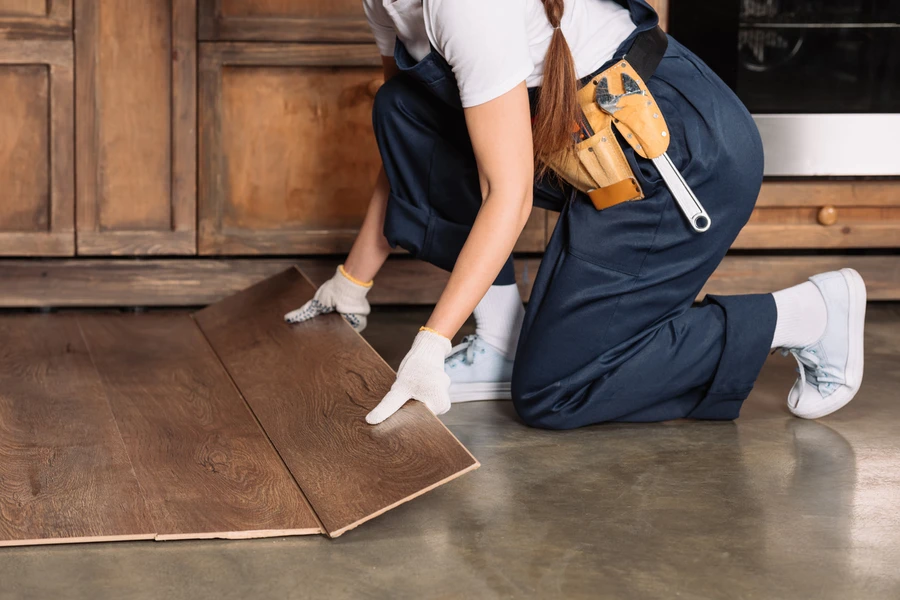
Wood changes with local temperature and humidity. Acclimation lets boards adjust before installation. Skipping this step leads to gaps or buckling. Most manufacturers advise 48 to 72 hours in the space. Boards should stay unopened but stacked flat. This waiting period helps the material settle to your home conditions.
Common Layout and Direction Mistakes
Board direction affects strength and style. Many choose direction without checking joist layout. Others ignore room shape. Poor direction can highlight uneven walls or shorten a room’s look. Correct layout follows the longest wall or main light source. This creates a balanced appearance and better structural support.
Fastening and Adhesive Errors to Avoid
Using the wrong fasteners leads to loose boards. Too few nails cause movement. Too many split the wood. Adhesives must match the product type and subfloor. Follow spacing guides carefully. Avoid mixing fasteners unless allowed by the manufacturer. Proper fastening keeps surfaces quiet and secure.
Best Practice Tips With Proven Results
- Test subfloor moisture before starting work
- Allow boards to acclimate inside the space
- Plan layout lines before placing any boards
- Use approved fasteners and adhesives only
- Leave expansion gaps near walls and fixtures
Installation Steps That Prevent Costly Rework
- Inspect and level the subfloor completely
- Check moisture levels in wood and subfloor
- Acclimate materials in the room
- Dry-fit rows to confirm layout
- Install boards using correct spacing
Pros and Cons of DIY Versus Professional Work
- DIY may lower upfront costs but raises risk
- Professionals follow standards and warranties
- DIY allows flexible scheduling
- Professionals finish faster with fewer errors
Understanding Codes, Standards, and Cost Factors
Local building codes may set rules for underlayment and moisture barriers. Manufacturer guidelines act as quality standards. Ignoring them can void warranties. Costs vary by prep, room size, and material grade. Spending more on prep often reduces future repair costs. Long-term value comes from correct installation the first time.
Get Expert Help With Reliable Installation
Located in Alexandria, VA, we help property owners avoid costly errors. Izquierdos Hardwood Floors focuses on correct planning and clean results. Our teams follow proven methods and current standards. We guide every step with clear communication. Call (703) 309-1377 to schedule a consultation and move forward with confidence.